
A well-organized kitchen doesn’t just look tidy—it can also save you time during busy weekdays. When every pot, utensil, and ingredient has its own place, cooking becomes more comfortable, and cleaning up afterward becomes much simpler.
If your kitchen is compact, smart storage solutions are even more important. The goal is not to fill every corner with more items, but to create a system that helps you work faster and more efficiently.
Start with a Clear Layout
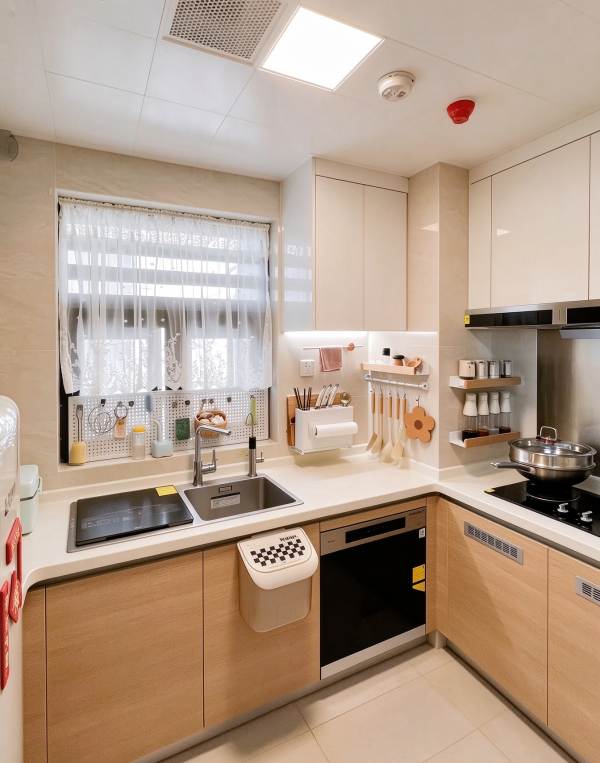
The first step in kitchen organization is to set up a practical layout. Keep frequently used items within easy reach, and store less-used tools further away. This helps reduce unnecessary movement while cooking.
A good kitchen layout usually includes:
A clean food preparation area
Easy access to cooking utensils
A separate space for pots and pans
Clear storage for ingredients and seasonings
A tidy area for cleaning tools
When these zones are separated, the whole kitchen feels calmer and more manageable.
2. Use Wall Space for Utensils
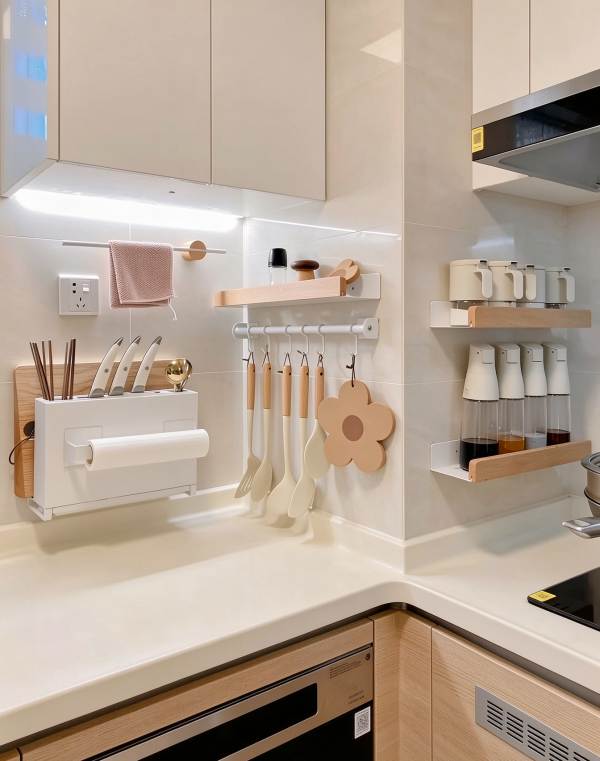
Wall-mounted storage is one of the best solutions for small kitchens. Instead of hiding everything inside cabinets, hang frequently used utensils on the wall so they are ready when you need them.
Utensils that work well on wall racks include:
Spatulas
Ladles
Tongs
Scissors
Small cleaning cloths
Frequently used knives
Wall storage also helps protect wooden utensils from moisture inside drawers. When air circulates better, utensils stay cleaner and last longer.
3. Organize the Refrigerator Area
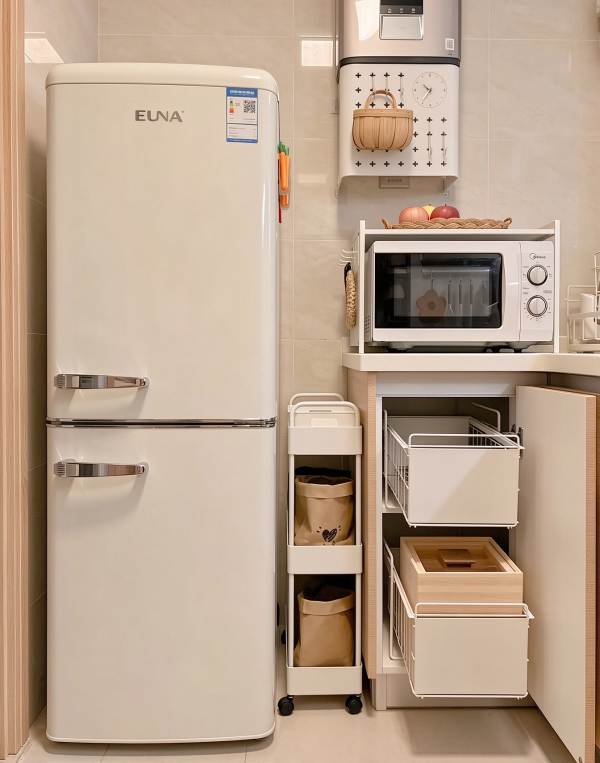
The refrigerator area is another important part of kitchen order. Keep the space next to the fridge clean and organized, so you can quickly find food, drinks, and cooking supplies without making a mess.
Use narrow storage racks for items that don’t fit well inside cabinets. These racks are perfect for:
Plastic bags
Food wrap
Cleaning supplies
Small kitchen tools
Frequently used food items
Keeping this area organized helps prevent last-minute searching and makes the whole kitchen look more polished.
4. Store Seasonings Within Reach
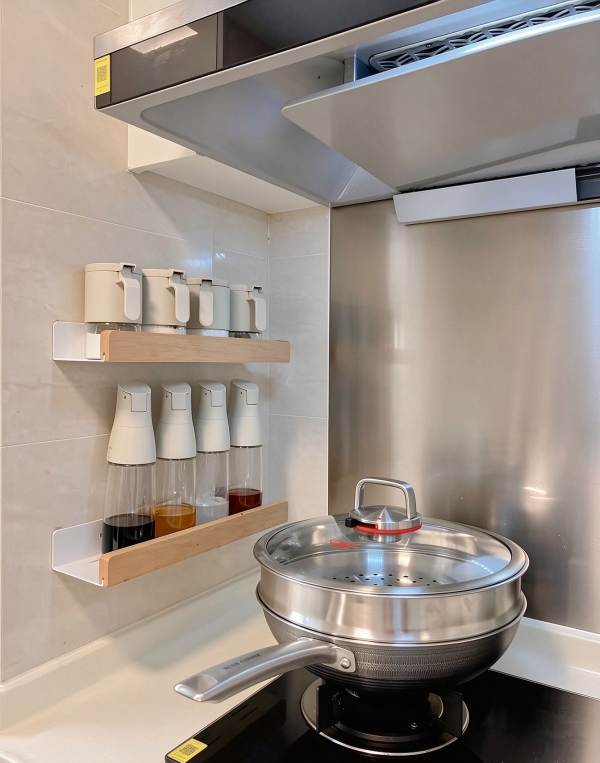
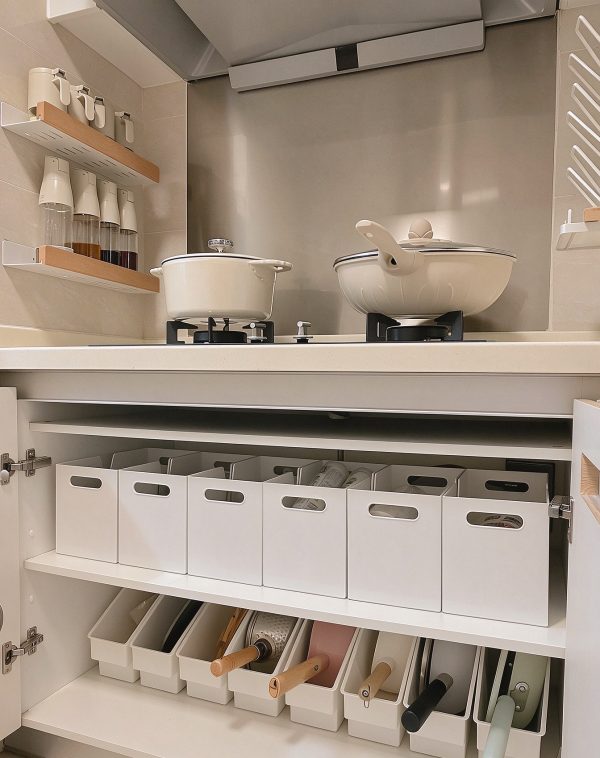
Cooking becomes much smoother when your seasonings are easy to see and reach. Install narrow shelves near the stove to hold cooking oils, soy sauce, vinegar, and other frequently used liquids.
Using clear containers can also help you identify contents quickly. Arrange them based on how often you use them:
Daily cooking oils in front
Frequently used sauces in the middle
Less common seasonings at the back
This simple system saves time during cooking and reduces the chance of spilling while searching for something.
5. Sort Pots and Pans by Category
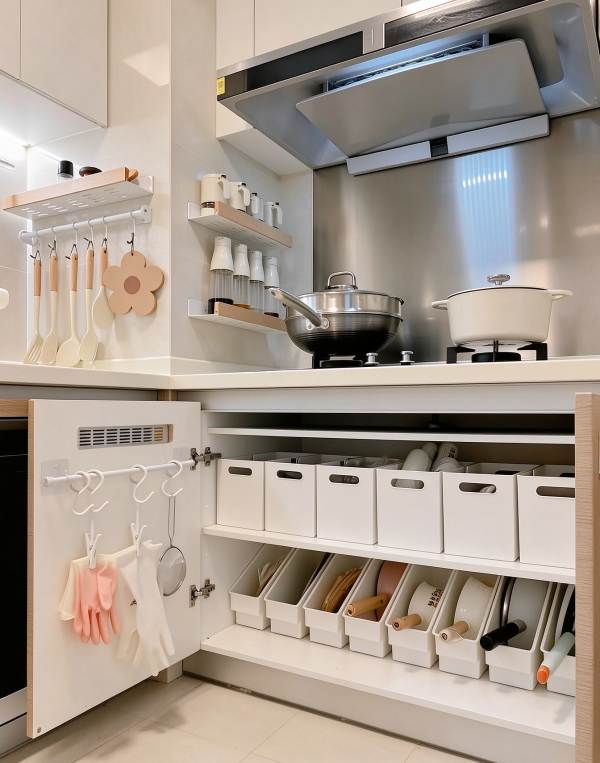
Pots and pans often take up the most space in a kitchen. Instead of stacking them randomly, store them by category so you can find the right one immediately.
A practical system is to separate:
Frying pans
Saucepans
Cooking pots
Lids
Specialized cookware
Use dividers or storage boxes to keep each group organized. This makes it easier to maintain order, especially in busy kitchens where multiple items are used every day.
6. Create a Cooking Zone
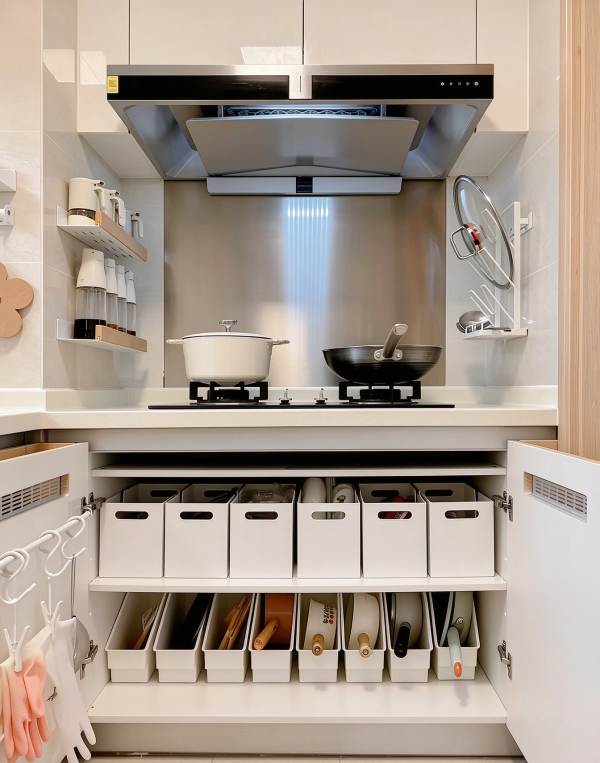
The cooking zone should be the most efficient area in the kitchen. Keep your pots, pans, spatulas, and cooking liquids close to the stove so you don’t have to walk back and forth while cooking.
A clear cooking zone helps with:
Better workflow
Faster cooking
Safer handling of hot pans
Easier cleaning after meals
When everything is arranged logically, you can focus on the food instead of searching for tools.
7. Keep the Sink Area Clean and Functional
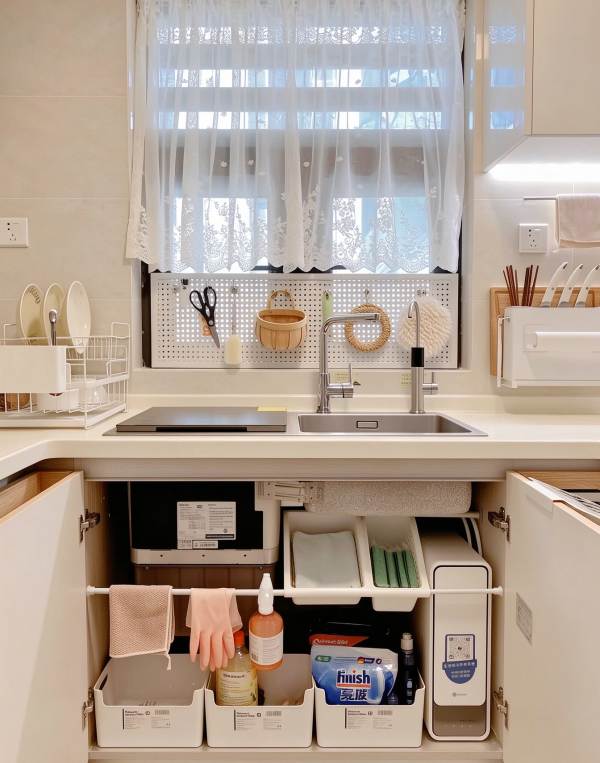
The sink area can easily become messy because it combines food preparation, cleaning, and water usage. Organizing this space will make your kitchen feel cleaner and more comfortable.
Store cleaning supplies in separate boxes, and keep dishwashing liquid, cloths, and brushes within easy reach. A good under-sink system should include:
A separate place for dish soap
A holder for cleaning cloths
Storage for garbage bags
A tidy area for sponges and brushes
Protection for the cabinet bottom
When the sink area is organized, daily cleaning becomes faster and less stressful.
8. Use Small Storage Racks for Lids
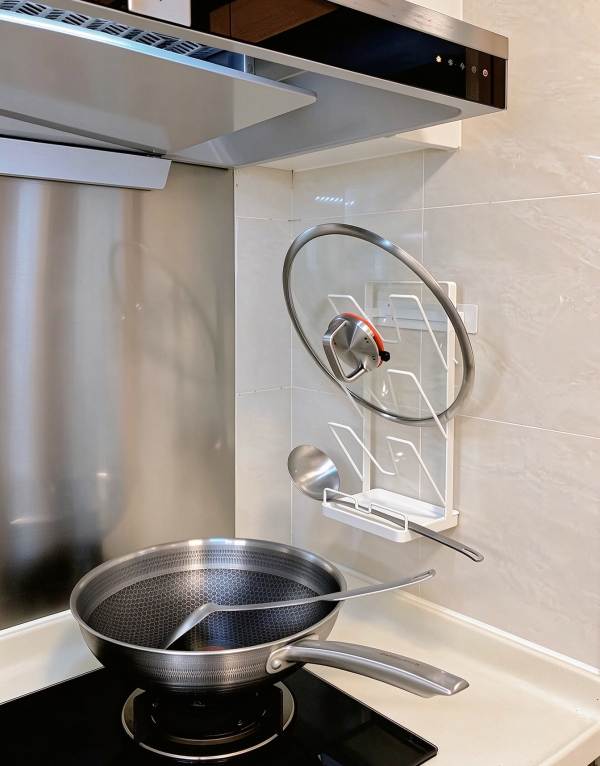
Lids are often difficult to store because they are flat, round, and easy to mix with other items. A dedicated lid rack can solve this problem and keep your cabinets tidy.
A good lid rack helps you:
See all lids at a glance
Avoid stacking and scratching
Save cabinet space
Make kitchen cleanup faster
Keep the cooking area safer
You can install a lid rack on the wall, inside a cabinet door, or near the stove, depending on your kitchen layout.
Conclusion
Small kitchen organization is all about working smarter, not harder. By using wall space, creating clear zones, and storing items by category, you can turn a crowded kitchen into a comfortable cooking area.
The best organization system is the one you can maintain every day. Start with a few simple changes, keep frequently used items close by, and gradually improve the rest of the space. Over time, these small habits will make your kitchen cleaner, more efficient, and more enjoyable to use.

Leave a Comment